

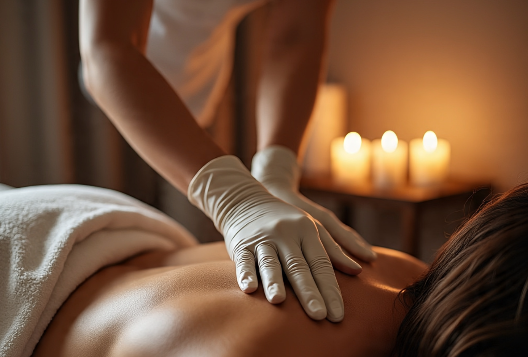
Massage therapy is a diverse field, offering a wide array of techniques tailored to different needs, preferences, and health goals. Each method of massage works in a unique way, targeting specific tissues, stimulating the nervous system, or promoting relaxation and healing. Understanding the variety of massage techniques and their distinct benefits can help individuals choose the approach best suited to their lifestyle and wellness objectives.
While many people associate massage with general relaxation, its techniques have specific applications ranging from muscle recovery and pain relief to mental clarity and emotional balance. https://www.vivigimassage.com/post/hanamsi Exploring these techniques provides insight into how massage therapy can support holistic health.
Swedish Massage: Relaxation and Circulation
Swedish massage is one of the most commonly practiced techniques worldwide. It is characterized by long, flowing strokes, kneading, and gentle movements across the surface of the muscles. Its primary focus is to enhance relaxation, reduce stress, and improve circulation.
The rhythmic strokes increase blood flow to muscles, supporting the delivery of oxygen and nutrients while removing metabolic waste. Swedish massage also encourages the parasympathetic nervous system, which promotes calmness and helps reduce the physical effects of stress. People who experience tension headaches, mild muscle soreness, or sleep difficulties often find Swedish massage particularly beneficial.
Deep Tissue Massage: Releasing Chronic Muscle Tension
Deep tissue massage targets deeper layers of muscle and connective tissue. It involves slower, more focused pressure to reach areas of chronic tension or stiffness. Unlike lighter techniques, deep tissue massage works to break down adhesions and release tight knots that impede mobility and comfort.
This technique is ideal for individuals with chronic pain, postural issues, or those recovering from injuries. By improving flexibility, reducing inflammation, and promoting proper muscle alignment, deep tissue massage contributes to both immediate relief and long-term structural balance.
Sports Massage: Supporting Performance and Recovery
Sports massage is designed specifically for athletes or highly active individuals. It incorporates techniques from both Swedish and deep tissue massage, emphasizing flexibility, injury prevention, and faster recovery.
Sports massage enhances circulation to muscles that are under repetitive stress, helping to prevent fatigue and soreness. It also targets specific areas of overuse, promoting healing and reducing the risk of injury. Athletes often find that regular sports massage improves their range of motion, enhances performance, and accelerates recovery after intensive training or competition.
Trigger Point Therapy: Addressing Painful Spots
Trigger point therapy focuses on releasing tight knots or “trigger points” in muscles that can cause referred pain in other areas of the body. By applying targeted pressure to these points, the therapist helps release tension and restore normal muscle function.
Trigger point therapy is especially useful for individuals suffering from chronic pain, tension headaches, or repetitive strain injuries. It can improve posture, increase mobility, and reduce discomfort caused by localized muscle tightness. Over time, this technique helps retrain muscles to function without unnecessary tension.
Shiatsu: Balancing Energy and Circulation
Originating from Japan, shiatsu massage is based on the principles of acupressure and traditional Chinese medicine. It involves applying finger pressure to specific points on the body to stimulate energy flow, known as “qi.”
Shiatsu aims to restore balance between body and mind while improving circulation and reducing stress. Many people report feeling energized and emotionally stabilized after a session. Unlike purely physical techniques, shiatsu combines relaxation with a focus on internal energy systems, providing both physical and emotional benefits.
Thai Massage: Stretching and Flexibility
Thai massage incorporates assisted stretching and gentle pressure along energy lines in the body. Unlike traditional massage where the client lies still, Thai massage involves movement, where the therapist guides the client through a series of stretches.
This technique enhances flexibility, promotes joint mobility, and relieves muscular tension. Thai massage is particularly effective for improving posture, releasing tight back and leg muscles, and increasing overall body awareness. Its combination of stretching and pressure makes it both energizing and restorative.
Hot Stone Massage: Heat Therapy for Muscle Relaxation
Hot stone massage uses smooth, heated stones placed on key points of the body to warm and relax muscles. The therapist may also use the stones to apply gentle pressure, helping to release tension and improve circulation.
The heat penetrates deep into muscle tissue, increasing blood flow and promoting relaxation. Hot stone massage is beneficial for individuals who carry extensive muscle tension or experience stiffness due to stress or chronic conditions. The soothing warmth adds an additional layer of relaxation beyond traditional massage.
Reflexology: Targeting the Feet for Whole-Body Wellness
Reflexology is a specialized massage technique that focuses on specific pressure points in the feet, hands, or ears. Each point is believed to correspond to different organs and systems in the body.
By stimulating these points, reflexology promotes overall balance and well-being. It can improve circulation, reduce stress, and enhance the body’s natural healing abilities. Many clients experience a deep sense of relaxation and emotional release after reflexology sessions, making it an ideal technique for stress management and energy balance.
Prenatal Massage: Supporting Expectant Mothers
Prenatal massage is specifically designed for pregnant individuals, addressing unique physical and emotional needs. It focuses on relieving lower back pain, reducing leg swelling, and easing overall tension caused by the physical changes of pregnancy.
This technique not only enhances comfort but also supports better sleep, reduced anxiety, and improved circulation for both mother and baby. Prenatal massage emphasizes gentle, safe techniques tailored to each stage of pregnancy, providing essential support during this transformative time.
Aromatherapy Massage: Combining Scent with Touch
Aromatherapy massage integrates essential oils into traditional massage techniques. Different oils provide unique therapeutic benefits, from calming lavender to invigorating peppermint. The combination of tactile stimulation and scent creates a multi-sensory experience.
The essential oils enhance relaxation, improve mood, and can even support respiratory function. Aromatherapy massage is particularly effective for individuals looking to combine stress relief, emotional well-being, and physical comfort in a single session.
Combining Techniques for Customized Wellness
One of the most powerful aspects of massage therapy is the ability to combine techniques to meet individual needs. 성남 출장 사이트 For example, a session may begin with Swedish strokes for relaxation, move into deep tissue work to release tension, and conclude with hot stones for soothing heat therapy.
This customized approach allows clients to address multiple concerns in one session, such as improving flexibility, reducing pain, and supporting emotional balance. Skilled therapists can adapt techniques according to the client’s condition, making massage highly versatile and effective for overall wellness.
The Long-Term Benefits of Exploring Techniques
Trying different massage techniques allows individuals to discover which methods work best for their unique needs. Over time, incorporating a variety of approaches can improve muscular health, nervous system balance, sleep quality, and emotional resilience.
Exploring multiple massage styles also prevents adaptation—where the body becomes accustomed to one form of therapy—and ensures that the benefits continue to evolve. This diversity in approach supports comprehensive, long-term wellness.
Conclusion
Massage therapy is far more than a tool for relaxation. Its wide range of techniques—each with unique applications and benefits—offers physical, mental, and emotional support. Whether through Swedish strokes, deep tissue release, trigger point therapy, shiatsu, Thai stretching, or aromatherapy, massage transforms how the body and mind function in daily life.
By understanding the distinctive benefits of different massage techniques, individuals can make informed choices to address their specific needs. Regularly incorporating these therapies into a wellness routine supports physical recovery, mental clarity, emotional balance, and overall vitality. Massage becomes not just a temporary indulgence, but a vital practice for living well.
