

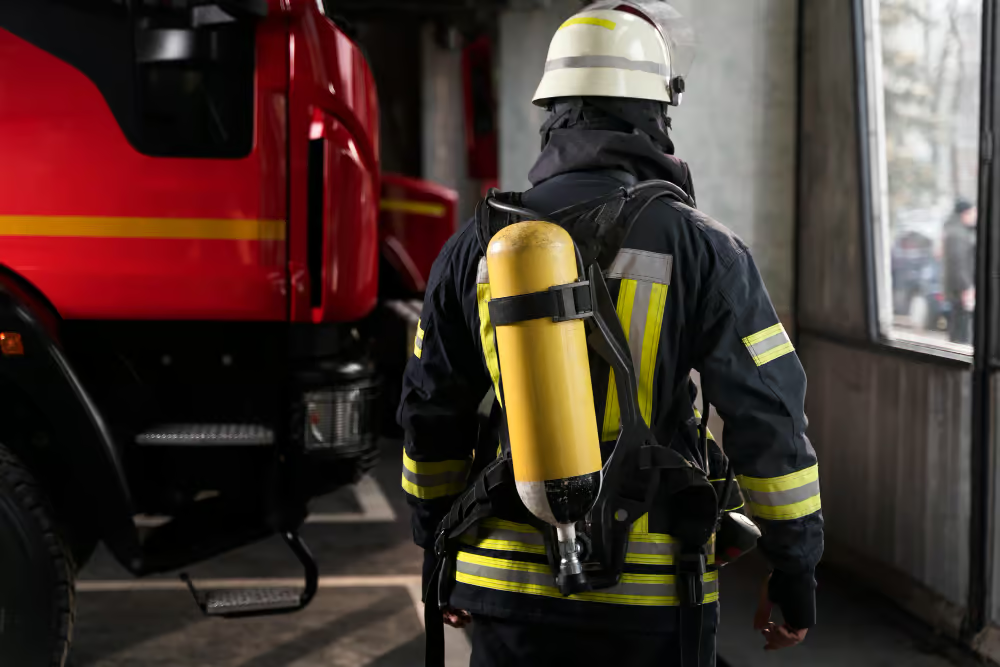
Many properties require temporary safety oversight when regular protection systems are unavailable or when higher-risk activities take place. Proper planning helps reduce uncertainty while supporting daily operations. Fire-related concerns can be managed more effectively through trained personnel who maintain observation during critical periods.
Selecting suitable support begins with understanding property needs and risk levels, including the value of working with a licensed fire watch company that can provide dependable coverage when needed.
Understanding Property Conditions
Every building has unique protection needs based on occupancy levels, operational activities, and structural layout. A careful review of existing conditions helps determine the amount of supervision required. Areas with increased exposure to fire-related hazards may need closer observation. Clear assessment supports better decisions while helping responsible teams maintain safe surroundings.
Why Risk Levels Matter?
Risk levels influence the type of monitoring required within a property. Locations with ongoing maintenance activities or temporary system interruptions often require additional attention. Understanding possible concerns allows managers to select suitable coverage. Proper evaluation helps maintain order while reducing unnecessary exposure to hazards.
Personnel Training Standards
Qualified personnel play an important role in maintaining continuous observation. Their preparation helps them recognize unusual conditions before problems grow. Strong awareness supports timely communication with responsible contacts. A licensed fire watch company often provides trained personnel who understand reporting procedures and monitoring expectations.
Monitoring Duties Included
The scope of oversight may vary according to property requirements. Some locations require frequent patrols while others need continuous presence throughout specific periods. Effective monitoring commonly includes the following responsibilities:
- Conduct regular patrols across designated areas during assigned periods
- Record observations accurately while maintaining clear activity documentation
- Report unusual conditions promptly through approved communication methods
- Verify access routes remain clear for emergency movement needs
- Support property management through consistent observation practices daily
How Is Coverage Determined?
Coverage requirements depend on building size, occupancy patterns, and operational activities. Larger facilities may require additional personnel to maintain proper observation. Properties with temporary equipment interruptions often benefit from increased monitoring frequency. Matching oversight levels to actual needs helps improve protection efforts while supporting operational continuity.
Matching Building Requirements
Different properties operate under varying conditions that influence monitoring needs. Occupancy levels, building layouts, and daily activities can affect the amount of oversight required. Selecting support that aligns with these factors helps maintain consistent observation throughout important areas. A well-matched approach supports stronger protection while helping property operations continue with fewer concerns.
Evaluating Response Readiness
Preparedness is an important factor when selecting suitable oversight arrangements. Personnel should understand reporting expectations and escalation procedures. Quick recognition of developing concerns supports faster action when attention is required. Reliable readiness contributes to stronger protection measures across different property environments.
Important Selection Factors
Several practical considerations can help property managers compare available options. Reviewing qualifications and operational procedures supports informed decisions. Useful factors may include:
- Review personnel credentials before assigning monitoring responsibilities anywhere
- Confirm communication methods remain effective throughout observation periods
- Examine reporting processes for accurate record-keeping consistency
- Assess availability during temporary protection system interruption situations
- Verify supervision arrangements support dependable oversight every day
A suitable choice depends on balancing property needs with dependable monitoring support. Careful evaluation of risks, personnel qualifications, readiness levels, and operational requirements helps create stronger protection measures. When oversight aligns with actual building conditions, organizations can maintain safer environments while reducing potential concerns during periods requiring additional attention.
FAQs
How can property managers identify suitable oversight requirements?
Review risks carefully, then match coverage with operational needs.
What qualifications should monitoring personnel possess before assignment?
Proper training, knowledge, and reporting skills support dependable oversight.
When is additional monitoring commonly required within properties?
During system interruptions or elevated risk activity periods.
