

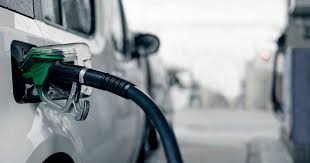
Running a fleet means managing dozens of small decisions every day: which routes to assign, when to rotate vehicles, and how to keep drivers productive without burning through the fuel budget. The administrative weight of tracking all those transactions falls on managers who already have full workloads. Receipts pile up, expense reports arrive late, and fuel purchases mix with tolls and meals on shared credit card statements. A structured fueling strategy built around fleet cards eliminates most of that administrative drag. The Citgo fleet vehicle fueling program automates transaction capture, separates fuel costs from other expenses, and frees managers to focus on operations instead of bookkeeping.
What a fueling strategy actually looks like
A fueling strategy is a set of decisions about where, when, and how fleet vehicles get fuel. Without a deliberate approach, drivers default to whatever is convenient: the nearest station, the one with the shortest line, or the same spot they have always used regardless of price.
Structured strategies assign preferred stations based on route geography and negotiated pricing. They set rules about fueling frequency to prevent topping off with half a tank. They establish fuel grade standards so drivers purchase the product that matches each vehicle’s requirements without defaulting to premium out of habit.
These decisions compound over time. A fleet averaging 20,000 gallons per month that saves four cents per gallon through strategic station selection recovers $9,600 annually. Add in reduced waste from purchase controls and efficiency monitoring, and the total impact crosses well into five figures for most mid-sized operations.
Efficiency gains backed by recent data
Fleet fuel efficiency has been climbing steadily thanks to improving technology and better management practices. The 2024 NACFE Fleet Fuel Study tracked top-performing fleets averaging 7.77 MPG, up from 7.62 MPG in 2022. The national average sits around 6.9 MPG for heavy-duty trucks, meaning the best-managed fleets extract roughly 12% more miles from every gallon.
Technology adoption is a major factor in that gap. NACFE found that fuel-saving technology adoption rates rose from 17% in 2003 to 42% in 2023. Aerodynamic kits, low-rolling-resistance tires, and engine calibration improvements all contribute, but they work best when paired with data that shows where each vehicle falls on the efficiency curve.
Fleet cards provide that data. Every fill-up records gallons, mileage, cost, location, and vehicle ID. When these records feed into reporting tools, managers can identify which trucks fall below fleet averages and schedule maintenance or driver coaching accordingly. The 2024 Michelin Connected Fleet report confirmed that 55% of surveyed fleets reduced fuel consumption after combining telematics with optimization tools. Adding fuel card data to telematics gives managers the complete picture: how each vehicle performs on the road and what it costs at the pump.
Controlling costs through purchase restrictions
Fuel cost control starts with preventing unauthorized spending. Fleet cards restrict each transaction to approved parameters. Managers configure settings for fuel type, spending limits per day, maximum gallons per fill-up, and approved station networks. Drivers operating within normal boundaries complete transactions without interruption. Attempts to purchase outside those boundaries get declined automatically.
This control layer matters because fuel represents roughly half of fleet operating budgets per the 2024 Fleetio Benchmarking Report. A 3% leak in unauthorized or wasteful purchases across a 60-vehicle fleet translates to a substantial annual loss. Purchase restrictions plug those leaks at the point of sale rather than catching them weeks later during expense reviews.
Cost control also means choosing the right network. Branded fleet cards tied to a specific provider’s stations typically offer larger per-gallon discounts than universal cards. For fleets with predictable daily routes, consolidating fill-ups at partner locations captures those savings consistently. Fleets covering wider territory weigh that discount against the convenience of broader station access to keep drivers on their routes without detours that burn fuel and waste time.
Simplifying operations for managers and drivers
Administrative simplification is one of the least discussed benefits of a structured fueling program. Each fleet card transaction auto-populates expense reports. Fuel purchases separate from other charges automatically. End-of-month reconciliation takes minutes instead of hours because every record is already categorized by driver, vehicle, date, and amount.
Drivers benefit too. They carry a single card for fuel instead of managing cash advances or filing reimbursement requests. The process at the pump takes seconds: swipe, enter a PIN and odometer reading, fuel up, and drive. No receipts to save, no forms to fill out at the end of the week, no delays waiting for reimbursement checks.
For managers tracking fleet performance, the reporting runs continuously. Dashboards display daily, weekly, or monthly summaries. Cost-per-mile calculations update with each transaction. Comparisons across vehicles, routes, and drivers happen in real time rather than depending on a quarterly data pull that is already outdated by the time it reaches a decision-maker.
IFTA reporting becomes simpler as well. Fleet cards generate the state-by-state fuel purchase records that interstate carriers need for quarterly tax filings. Instead of estimating gallons purchased in each jurisdiction from mileage logs, managers pull exact transaction data sorted by location and date.
Scaling the strategy as the fleet grows
Small fleets and large operations face the same fueling challenges at different scales. A five-vehicle business deals with the same receipt-chasing, cost-tracking, and security concerns as a 200-truck carrier. Fleet cards provide a consistent solution that scales without adding administrative staff.
The fleet card market reflects this versatility. Small and mid-sized enterprises led fleet card adoption in 2024, according to Allied Market Research. These businesses gain proportionally more from automated reporting and fraud controls because they lack the dedicated fuel management departments that large carriers staff.
Adding vehicles to a card program means issuing new cards with the same controls already in place. Reporting structures absorb new data points automatically. The cost-per-vehicle benefit stays consistent whether the fleet has ten trucks or ten times that number, making it practical for businesses to expand operations without rebuilding their fueling infrastructure at every growth stage.
Building a fueling program that lasts
A fueling strategy works when it becomes part of daily operations rather than a separate initiative that gets reviewed once a quarter. Fleet cards embed that structure into every transaction. Controls enforce purchasing policies. Reporting tracks performance. Network access directs drivers to the right stations.
The strongest programs combine card data with route optimization and vehicle maintenance schedules. When a truck’s fuel consumption rises, the data shows whether the change correlates with a route modification, a driving pattern, or a maintenance need. This kind of monitoring turns fuel management from a reactive cost review into active solutions that optimize fleet efficiency across every mile driven. The data from fuel cards makes each decision measurable and repeatable.
