

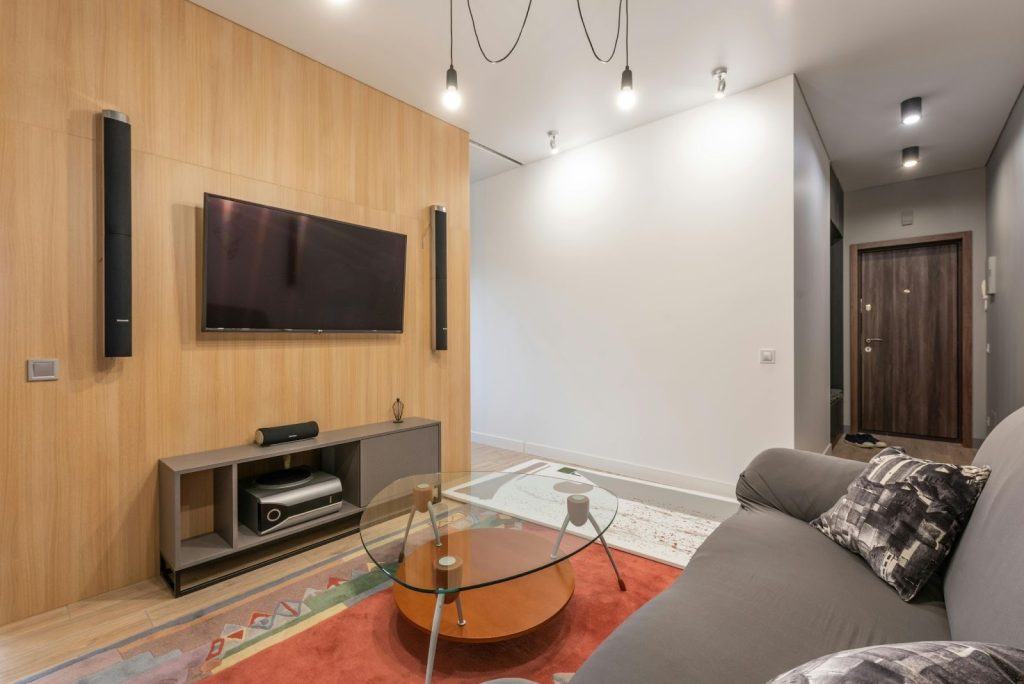
We’ve all been there: staring at the back of a TV cabinet, tangled in a dusty bird’s nest of HDMI cables, speaker wires, and power cords. It used to be the price we paid for a decent home theater. But as our living spaces become more open and our aesthetic standards rise, that chaotic clutter is no longer acceptable.
The shift toward wireless systems isn’t just about tidiness; it’s about freedom. Modern homeowners are trading the restrictive tether of cables for sleek, adaptable setups that blend seamlessly into their lives. The days of drilling holes in drywall to hide wires are fading fast, replaced by technology that prioritizes both form and function.
The Evolution of Audio Video Technology
There was a time when “wireless” was synonymous with “unreliable.” If you tried to stream music or video wirelessly a decade ago, you probably remember the lag, the dropouts, and the compressed, tinny sound. Audiophiles scoffed at the idea of cutting the cord.
However, technology has made massive leaps forward. Today’s Audio Video transmission standards—like WiSA (Wireless Speaker and Audio) and advanced Bluetooth codecs—offer high-resolution sound and picture quality that rivals wired connections. Latency is virtually non-existent, meaning your movie dialogue syncs perfectly with the actors’ lips, and the bass drops exactly when it should. We have reached a point where the convenience of wireless no longer demands a sacrifice in quality.
Why Going Wireless Makes Sense
The most obvious benefit is aesthetic. Without cables snaking across the floor or climbing the walls, your living room looks cleaner and more spacious. But the advantages go deeper than looks.
Ease of Installation
Setting up a traditional surround sound system used to require a contractor or a very patient DIY enthusiast. You had to run wires under rugs or through attics. With wireless systems, installation is often as simple as plugging the speakers into a power outlet and pairing them via an app. You can transform a room into a home theater in minutes, not days.
Multi-Room Flexibility
Perhaps the biggest game-changer is flexibility. Wireless Audio Video ecosystems allow you to expand your setup effortlessly. You can start with a soundbar in the living room and later add speakers to the kitchen or patio. Because they aren’t physically tethered to a receiver, you can rearrange your furniture—or move to a new house entirely—without worrying about rewiring the entire system.
Overcoming Connectivity Challenges
Of course, cutting the cord does introduce a new variable: the invisible traffic of wireless signals. With so many devices fighting for bandwidth—phones, laptops, smart fridges—interference can happen.
To ensure a seamless experience, placement matters. Avoid hiding your wireless receiver inside a metal cabinet, which can block signals. Additionally, investing in a robust mesh Wi-Fi network can work wonders. A strong, consistent internet backbone ensures your high-definition streams don’t buffer right at the climax of the movie.
Future-Proofing Your Home
Investing in wireless infrastructure is a smart move for the long haul. Wired standards change physically (remember component cables?), often rendering old wall jacks useless. Wireless standards, conversely, can often be updated via software.
By building a wireless Audio Video ecosystem, you are creating a home entertainment center that can adapt to new formats and services without requiring a sledgehammer and a spool of copper wire. It aligns with the smart home revolution, where voice assistants and automated routines control everything from lighting to your playlist.
Embracing a Cord-Free Sanctuary
The modern home is a sanctuary, a place to unwind and escape the noise of the outside world. Your entertainment system should facilitate that relaxation, not add to your stress with technical headaches and visual clutter.
Wireless systems have finally matured enough to be the standard, not the alternative. They offer the high performance we crave with the simplicity we need. It’s time to untangle yourself from the past and embrace a cleaner, more flexible future of entertainment.
