

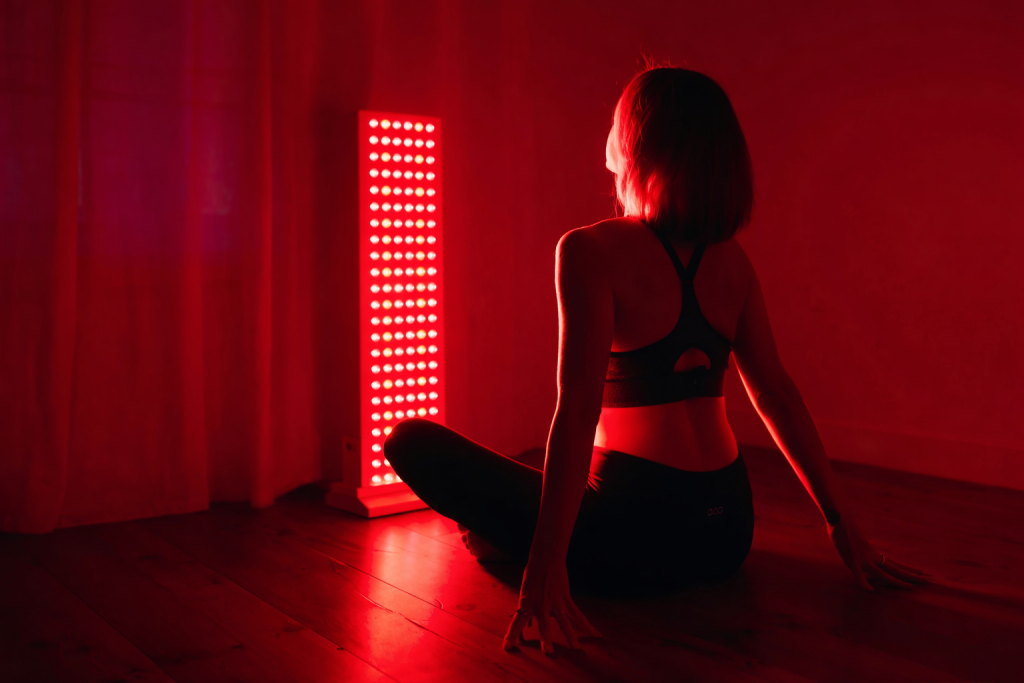
We’ve all seen them on social mediLight Therapy Lampsa feeds or tucked into the corner of a coworker’s desk: those glowing, bright white boxes. Light therapy lamps are having a major moment in the wellness world. They promise everything from boosting your mood on a gloomy Tuesday to completely resetting your sleep schedule.
But whenever a wellness trend explodes in popularity, it gets harder to separate the solid science from the wishful thinking. Is sitting in front of a bright light really a cure-all, or is it just a placebo with a plug? Let’s break down how light therapy actually works, what it can do for you, and where the science draws the line.
What Is Light Therapy?
At its core, light therapy is about mimicry. Our bodies are biologically wired to sync with the sun. For thousands of years, sunrise meant “wake up and be alert,” and sunset meant “wind down and rest.”
Modern life, however, is lived largely indoors. We miss out on that intense morning brightness that kickstarts our internal clocks, also known as our circadian rhythms.
Light therapy lamps are designed to fill that gap. They emit a specific intensity of light—measured in lux—that tricks your brain into thinking you’re standing outside on a sunny morning. When this bright light hits the retina in your eye, it signals the brain to suppress melatonin (the sleep hormone) and increase serotonin (the mood-boosting hormone).
The Science: What Actually Works?
This isn’t just fringe science; it’s a well-documented medical treatment. The most proven use case is for Seasonal Affective Disorder (SAD), a type of depression that occurs during the darker fall and winter months.
Clinical studies have consistently shown that daily exposure to bright light can significantly reduce symptoms of SAD. The light essentially compensates for the lack of sunshine, helping to stabilize mood and energy levels.
Beyond SAD, there is strong evidence supporting light therapy for sleep disorders. If you are a night owl trying to become a morning person, or if you’re struggling with jet lag, timed exposure to light therapy lamps can help shift your sleep phase. Using the light early in the morning pushes your internal clock earlier, helping you feel sleepy earlier in the evening.
Debunking the Myths
While the benefits for mood and sleep are backed by research, the wellness industry sometimes takes liberties with the facts.
First, light therapy is not a magical cure for all types of depression or anxiety. While it can be a helpful adjunct treatment for non-seasonal depression, it is rarely a standalone solution.
Second, there is a lot of buzz about light therapy “detoxing” the skin or curing acne. It is important to distinguish between the bright white light used for SAD (which should filter out UV rays) and colored LED light therapies used by dermatologists. Sitting in front of a standard mood lamp won’t clear up your skin.
Finally, “more” isn’t always “better.” Using a lamp for four hours won’t make you four times happier. In fact, overexposure can lead to headaches, eye strain, or feeling “wired” and jittery.
Choosing the Right Device
If you decide to try it, not all lamps are created equal. You can’t just buy a really bright desk lamp and hope for the best. To see actual therapeutic benefits, here is what to look for:
- Intensity: You need a lamp that provides 10,000 lux. Lower intensity lamps (like 2,500 lux) take hours to do what a 10,000 lux lamp can do in 30 minutes.
- UV Filter: This is non-negotiable. You want the brightness of the sun without the skin damage. Ensure the manufacturer explicitly states the lamp filters out UV rays.
- Size: A tiny light the size of a smartphone usually isn’t effective because the light field is too small to reach your eyes properly. Look for a larger surface area.
Final Thoughts
Light therapy is a powerful tool when used correctly. It offers a simple, drug-free way to manage seasonal blues and get your sleep back on track. However, it isn’t a replacement for professional medical advice. If you are struggling with severe depression or sleep issues, talk to a doctor before buying a lamp. They can help you determine the right timing and duration to make sure you’re getting the light—and the help—you need.
