

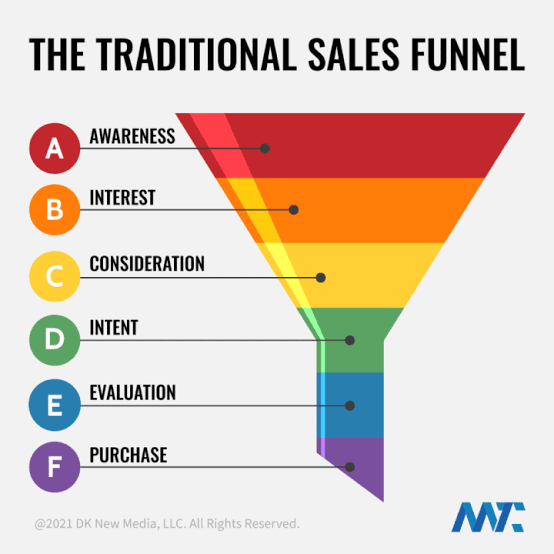
In today’s competitive marketplace, attracting customers is no longer enough. Businesses must guide potential buyers through a carefully planned journey that transforms interest into action. This process is known as a sales funnel, and it has become one of the most important components of modern marketing.
A successful sales funnel helps businesses understand customer behavior, nurture leads, and increase conversions. Without a structured funnel, many companies struggle to turn website visitors into paying customers, resulting in lost opportunities and wasted marketing budgets.
Whether you are launching a startup, running an online store, or looking to scale an established company, understanding how to build an effective sales funnel can significantly impact your growth. Businesses that successfully Аdvertise a business often rely on well-designed sales funnels to maximize the return on every marketing effort.
This guide explores everything you need to know about creating a successful sales funnel, from attracting prospects to converting them into loyal customers.
What Is a Sales Funnel?
A sales funnel is a strategic framework that represents the customer journey from initial awareness to final purchase. It is called a funnel because a large number of people enter at the top, but only a percentage complete the journey and become customers.
The funnel helps businesses visualize how prospects move through different stages of engagement. By understanding these stages, marketers can create targeted content and campaigns that encourage potential buyers to take the next step.
A well-designed sales funnel creates a smooth experience for customers while improving conversion rates and increasing revenue.
Why Sales Funnels Matter
Many businesses focus heavily on generating traffic but fail to convert visitors into customers. This often happens because there is no structured process guiding prospects toward a purchasing decision.
A sales funnel solves this problem by providing a clear pathway. It allows businesses to nurture relationships, address concerns, and build trust over time.
Companies that effectively Аdvertise a business understand that advertising alone is not enough. Prospects need consistent communication, valuable information, and compelling reasons to move forward.
Sales funnels create predictability, making it easier to forecast revenue and optimize marketing strategies.
Understanding the Stages of a Sales Funnel
Every successful sales funnel contains several stages. While the exact structure may vary depending on the business model, most funnels follow a similar progression.
The first stage is awareness. This is where potential customers discover your business for the first time. They may find you through search engines, social media, referrals, paid advertisements, or content marketing.
The second stage is interest. At this point, prospects begin learning more about your products or services. They consume content, explore your website, and evaluate whether your offering meets their needs.
The third stage is consideration. Prospects compare options, research competitors, and seek additional information before making a decision.
The fourth stage is conversion. This is where prospects become paying customers by completing a purchase or signing up for a service.
The final stage focuses on retention and loyalty. Successful businesses continue nurturing customer relationships after the sale, encouraging repeat purchases and referrals.
Step One: Attract the Right Audience
A sales funnel begins with attracting qualified prospects. Bringing the wrong audience into your funnel leads to poor conversion rates and wasted resources.
Understanding your target audience is essential. Identify their demographics, interests, pain points, and purchasing behavior. The more detailed your customer profile, the more effective your marketing efforts will be.
Businesses that successfully Аdvertise a business often use multiple channels to generate awareness. Search engine optimization, social media marketing, content creation, email campaigns, and paid advertising can all contribute to top-of-funnel traffic.
The goal is not simply to increase visitor numbers but to attract individuals who are genuinely interested in your products or services.
Step Two: Create Valuable Content
Content plays a critical role throughout the sales funnel. High-quality content educates prospects, builds trust, and positions your business as an authority.
At the awareness stage, focus on informational content that addresses common questions and challenges. Blog posts, videos, podcasts, and social media content can attract attention and establish credibility.
As prospects move further into the funnel, provide more detailed information. Case studies, product comparisons, webinars, and customer success stories help prospects evaluate their options.
Content should always deliver value rather than aggressively pushing for a sale. When prospects trust your expertise, they are more likely to move forward.
Step Three: Capture Leads
Traffic alone does not generate revenue. Businesses need a way to collect contact information from interested prospects.
Lead generation typically involves offering something valuable in exchange for an email address or other contact details. Examples include free guides, reports, templates, webinars, or consultations.
Landing pages play an important role in this process. A dedicated landing page focuses on a single offer and encourages visitors to take action.
Businesses that effectively Аdvertise a business often invest heavily in lead generation because it creates opportunities for long-term relationship building.
The goal is to move prospects from anonymous visitors to identifiable leads who can be nurtured over time.
Step Four: Nurture Your Leads
Most prospects do not purchase immediately after discovering a business. They need time to evaluate options and build confidence in their decision.
Lead nurturing involves maintaining communication through email marketing, personalized content, and targeted messaging.
Email automation is particularly effective because it delivers relevant information based on user behavior. A prospect who downloads a guide may receive follow-up emails containing related resources and success stories.
Consistency is essential. Regular communication keeps your business top of mind while gradually building trust and credibility.
Lead nurturing helps move prospects closer to a purchasing decision without overwhelming them with aggressive sales tactics.
Step Five: Build Trust and Credibility
Trust is one of the most important factors influencing purchasing decisions. Prospects are unlikely to buy from businesses they do not trust.
Several strategies can strengthen credibility throughout the sales funnel. Customer testimonials provide social proof by demonstrating real-world results. Case studies show how your products or services have helped others achieve success.
Industry certifications, awards, and expert endorsements can further enhance trustworthiness.
Businesses that consistently Аdvertise a business often highlight their achievements, client successes, and expertise to reassure potential customers.
Transparency is equally important. Clear pricing, honest communication, and responsive customer support contribute to positive customer experiences.
Step Six: Optimize Conversion Opportunities
The conversion stage is where prospects become customers. Every element of your funnel should encourage prospects to take action.
Clear calls to action are essential. Prospects should always understand the next step and how to proceed.
Website design also influences conversion rates. A confusing or cluttered user experience can cause potential customers to abandon the process.
Businesses should simplify forms, streamline checkout procedures, and eliminate unnecessary obstacles.
A/B testing can help identify which headlines, images, offers, and page layouts produce the best results.
Small improvements in conversion rates can lead to significant increases in revenue over time.
Step Seven: Use Retargeting Strategies
Many prospects leave without converting during their first visit. Retargeting allows businesses to reconnect with these individuals and bring them back into the funnel.
Retargeting advertisements display relevant messages to users who have previously interacted with your website or content.
These campaigns remind prospects about your offerings and encourage them to complete their purchase journey.
Businesses that successfully Аdvertise a business frequently use retargeting because it focuses on audiences already familiar with the brand.
Since these prospects have already expressed interest, retargeting often delivers higher conversion rates than standard advertising campaigns.
Step Eight: Measure Funnel Performance
A successful sales funnel requires ongoing analysis and optimization.
Tracking key performance indicators helps businesses identify strengths and weaknesses within their funnel. Important metrics include website traffic, lead generation rates, email engagement, conversion rates, customer acquisition costs, and customer lifetime value.
Analytics tools provide valuable insights into user behavior and campaign performance.
Data-driven decision-making allows businesses to refine strategies, improve efficiency, and maximize profitability.
Regular monitoring ensures the funnel continues performing effectively as market conditions and customer preferences evolve.
Common Sales Funnel Mistakes
Many businesses make avoidable mistakes that reduce funnel effectiveness.
One common error is focusing exclusively on traffic generation while neglecting lead nurturing. Bringing prospects into the funnel is only the first step.
Another mistake is creating generic messaging that fails to address specific customer needs. Personalization often produces better results.
Some businesses also attempt to push for sales too quickly. Building trust and providing value should come before aggressive selling.
Poor follow-up processes can also result in lost opportunities. Consistent communication is necessary to maintain engagement throughout the customer journey.
The Role of Technology in Sales Funnels
Modern technology has transformed how businesses create and manage sales funnels.
Marketing automation platforms streamline lead nurturing, email campaigns, and customer segmentation. Customer relationship management systems help track interactions and manage sales activities.
Artificial intelligence is increasingly being used to personalize experiences and predict customer behavior.
Businesses that effectively Аdvertise a business often leverage technology to improve efficiency and scale their marketing efforts.
Automation allows companies to deliver personalized experiences while reducing manual workload.
Building Long-Term Customer Relationships
The sales funnel should not end after the initial purchase.
Customer retention is often more profitable than acquiring new customers. Existing customers are more likely to make repeat purchases and recommend your business to others.
Providing exceptional customer service, ongoing support, and exclusive offers helps strengthen relationships.
Loyal customers become brand advocates who contribute to sustainable business growth.
Businesses that prioritize customer satisfaction often experience higher lifetime value and stronger referral networks.
Conclusion
Creating a successful sales funnel requires more than attracting website visitors. It involves guiding prospects through a structured journey that builds trust, addresses concerns, and encourages action.
From generating awareness and capturing leads to nurturing relationships and optimizing conversions, every stage plays a critical role in overall success.
Businesses that effectively Аdvertise a business understand the importance of integrating marketing efforts with a well-designed sales funnel. By focusing on customer needs, providing valuable content, and continuously improving performance, organizations can increase conversions and achieve sustainable growth.
A strong sales funnel is not a one-time project. It is an ongoing process of testing, learning, and optimization that evolves alongside customer behavior and market trends.
Frequently Asked Questions
What is a sales funnel?
A sales funnel is a framework that guides potential customers through the journey from initial awareness to becoming paying customers.
Why is a sales funnel important?
A sales funnel helps businesses convert prospects into customers by providing a structured process for engagement, nurturing, and conversion.
How can I attract more prospects to my sales funnel?
You can attract prospects through search engine optimization, content marketing, social media, paid advertising, email campaigns, and referral marketing.
What role does content play in a sales funnel?
Content educates prospects, builds trust, addresses objections, and encourages users to move through different stages of the funnel.
How long does it take to build a successful sales funnel?
The timeline varies depending on the industry, target audience, and marketing strategy. Most businesses continuously refine their funnels over time.
How do businesses capture leads?
Businesses capture leads by offering valuable resources such as guides, reports, webinars, or consultations in exchange for contact information.
What is lead nurturing?
Lead nurturing involves maintaining communication with prospects through email marketing, personalized content, and ongoing engagement until they are ready to buy.
How can I effectively advertise a business using a sales funnel?
To effectively Аdvertise a business, combine targeted marketing campaigns with a structured sales funnel that attracts prospects, nurtures relationships, builds trust, and converts leads into loyal customers.
